15 Best Ice Rollers
15 Best Ice Rollers
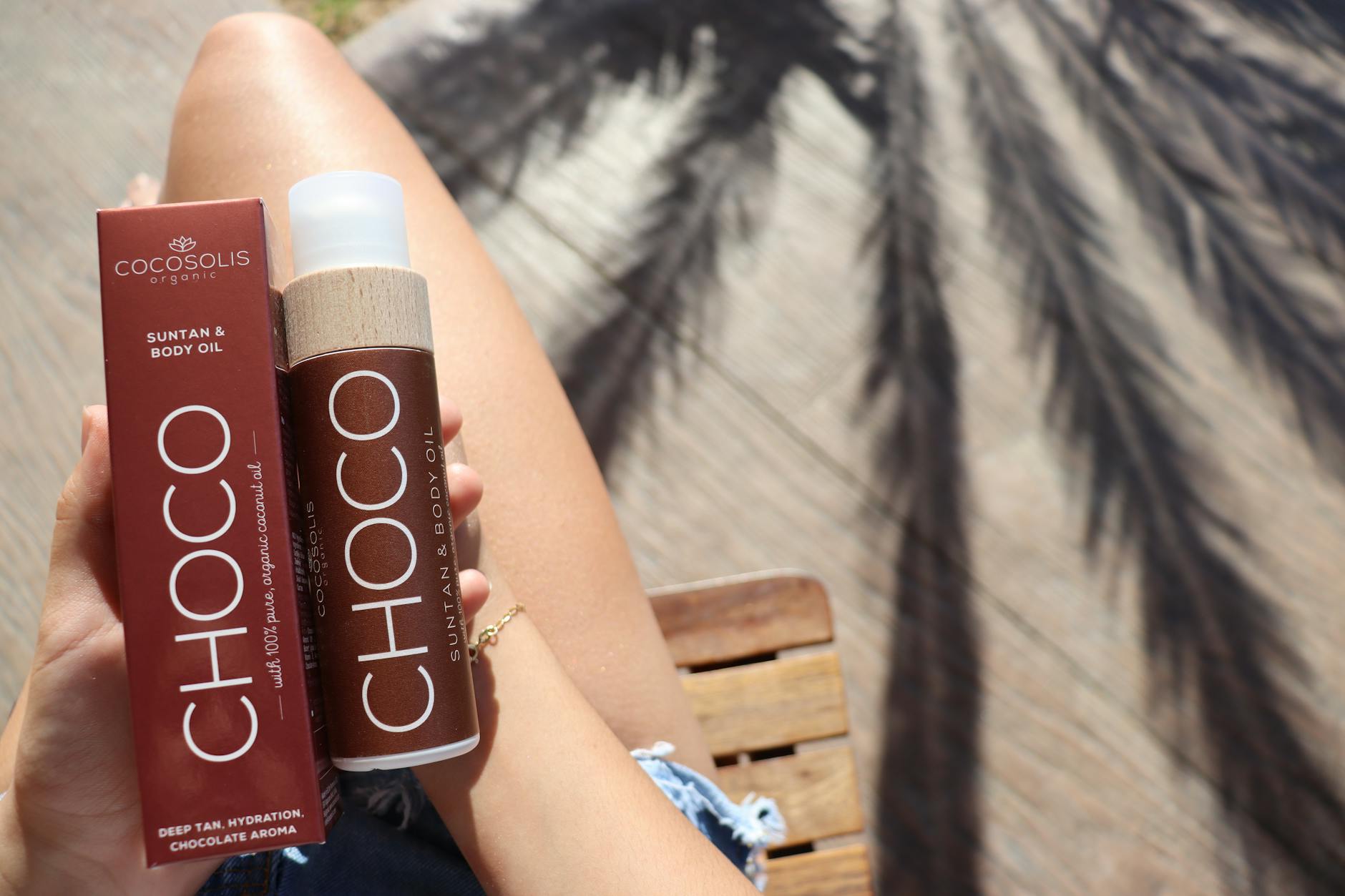
Coconut oil has been hyped for everything from cooking to conditioning your hair. And for a while there, everyone was slathering it on their face, promising it was the secret to glowing, perfect skin. But is it really that simple?
The answer is a big, fat “it depends.” The coconut oil benefits are real for some people, but for others, it’s a one-way ticket to breakout city. It all comes down to your skin type and what you’re trying to achieve.
So let’s break down the pros and cons of coconut oil and see how it stacks up against a couple of other popular natural moisturizers. This isn’t just about what’s trendy in 2026; it’s about what actually works.
This is the stuff you see everywhere, from the grocery store to beauty aisles. It’s packed with fatty acids, especially lauric acid, which has antimicrobial properties. That means it can help fight off certain types of bacteria.
The biggest pro is its intense moisturizing power. For people with seriously dry, flaky skin, it acts like a shield, locking in moisture and leaving your skin feeling soft and supple. It’s also pretty cheap, usually running you about $5 to $15 for a decent-sized jar.
But here’s the massive downside: coconut oil is highly comedogenic. On a scale of 0 to 5 for pore-clogging potential, it’s a solid 4. If you have oily or acne-prone skin, using coconut oil on your face is basically asking for trouble. It can lead to clogged pores, blackheads, and full-blown breakouts.
Jojoba oil is technically a wax ester, not an oil, and that’s its secret weapon. Its structure is incredibly similar to the natural sebum your skin produces. This is huge for people with oily skin.
Because it mimics your skin’s own oil, it can help balance sebum production. It tricks your skin into thinking it’s already produced enough oil, which can make you less greasy over time. It’s also non-comedogenic and absorbs quickly without leaving a heavy film. It’s a great pick for sensitive or acne-prone types, and it usually costs between $10 and $20 for a few ounces.
The trade-off? It’s not as heavy-duty as coconut oil. If your skin is parched and needs serious, occlusive protection, jojoba might feel a little too light. It hydrates, but it doesn’t create that same thick barrier.
Shea butter is a rich, creamy fat that comes from the nuts of the shea tree. It’s loaded with vitamins A and E, and it’s known for being incredibly nourishing and anti-inflammatory. It’s a go-to for soothing conditions like eczema and dermatitis.
What’s great about shea butter is that it’s non-comedogenic, so it won’t clog your pores. This makes it a surprisingly safe bet for almost all skin types, from dry to sensitive. It helps boost collagen production and can improve skin elasticity over time. Price-wise, it’s in the same ballpark as the others, around $8 to $20.
The main drawback is the texture. Raw shea butter is thick and can feel heavy or greasy if you use too much. It takes a lot longer to absorb than a liquid oil, which some people just don’t like the feel of, especially under makeup.
So, should you be using coconut oil on your face? Probably not, unless your skin is extremely dry and not at all prone to breakouts. The risk of clogged pores is just too high for most people.
If you have oily, combination, or acne-prone skin, Jojoba Oil is your best friend. It helps regulate oil and moisturizes without causing congestion. It’s lightweight, effective, and plays well with sensitive skin.
If you have very dry or sensitive skin and need deep nourishment without the pore-clogging risk, Shea Butter is the clear winner. It’s a fantastic all-around moisturizer that soothes and repairs. Just be prepared for its richer, heavier texture.
15 Best Ice Rollers
25 Best Korean Skincare Products for Glowy and Glass Skin
15 Best Hyaluronic Acid Serums
Top 9 Acne Face Washes

Leave a Reply